
Electronic Keyboard vs. Acoustic Piano: Which Is Right for Your Musical Journey?

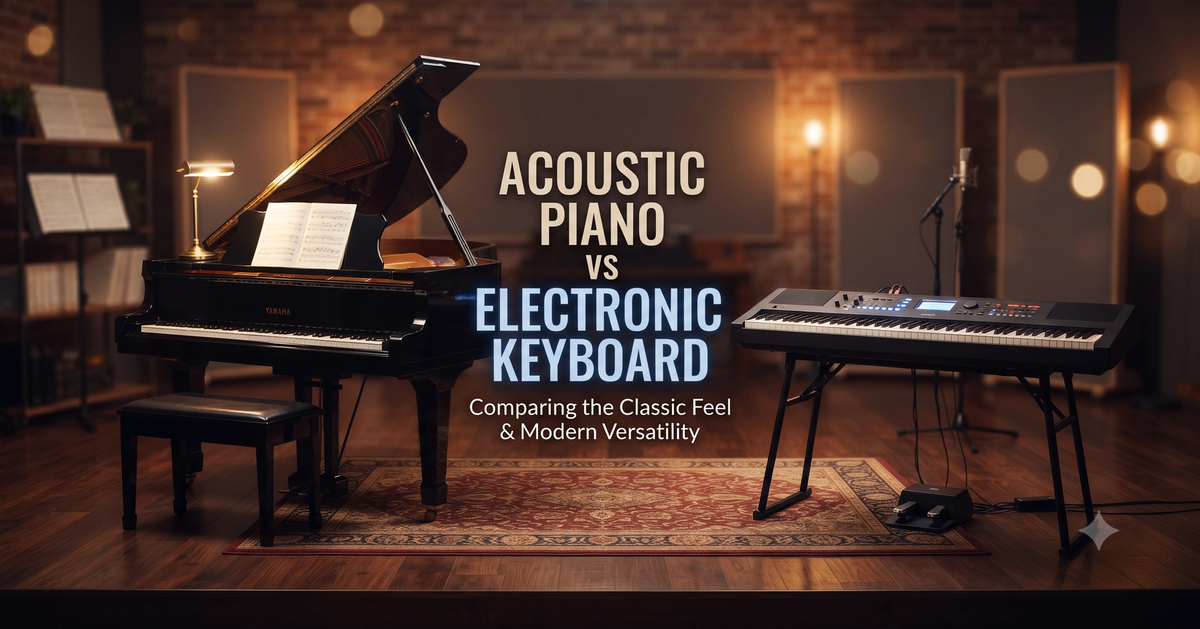
It's the question we hear most often from parents and new students before their very first lesson: "Do I need a real acoustic piano, or will an electronic keyboard work just as well?"
For decades, the standard advice was simple : buy an acoustic piano if you're serious. But in the fifteen years I've spent teaching beginners and watching digital instrument technology evolve, I've changed my answer. Today, the line between a traditional acoustic instrument and a well-chosen digital setup has genuinely blurred, and the "right" choice depends more on your space, budget, and goals than on tradition alone.
Here's how I break it down for the families I work with.
The Acoustic Piano: Tradition, Touch, and Resonance
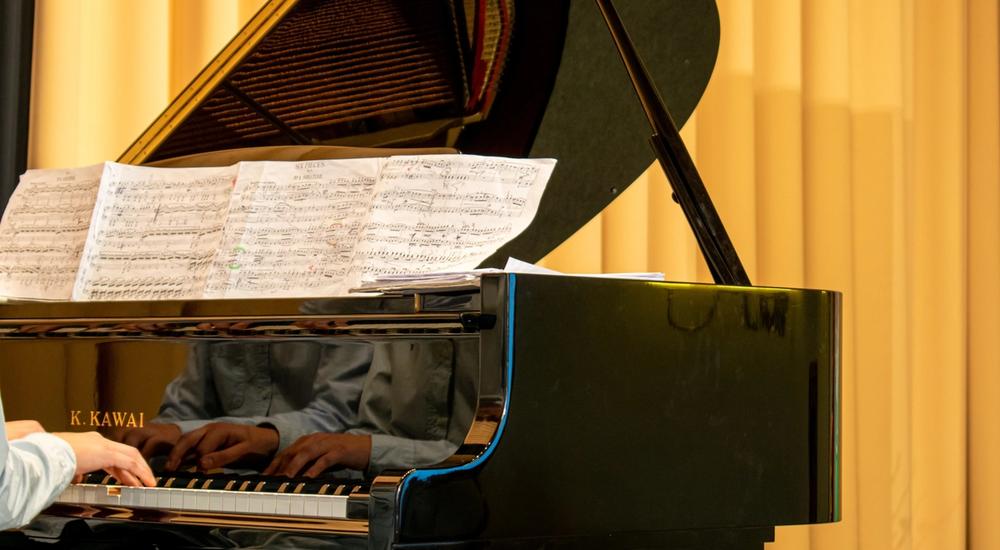
There's an undeniable magic to sitting at a real acoustic piano. Press a key, and a physical hammer strikes a physical string : producing a rich, resonant sound you can actually feel through the instrument's body.
The advantages:
- True acoustic touch. The natural weight and resistance of the keys build finger strength and muscle memory that transfers directly to advanced repertoire.
- Infinite dynamics. From the softest whisper to the loudest chord, acoustic pianos offer a range of expression that's genuinely hard to replicate.
- Pedal resonance. The sustain pedal lets strings interact organically, creating the lush, complex overtone wash that defines classical piano sound.
The trade-offs: Acoustic pianos are heavy, need regular professional tuning (typically twice a year), and are loud by nature. For students in apartments, shared housing, or households with early mornings and late-night practice sessions, this can become a real logistical obstacle — one I've seen derail more than one student's early motivation.
The Electronic Keyboard: Portable, but Built for a Different Job
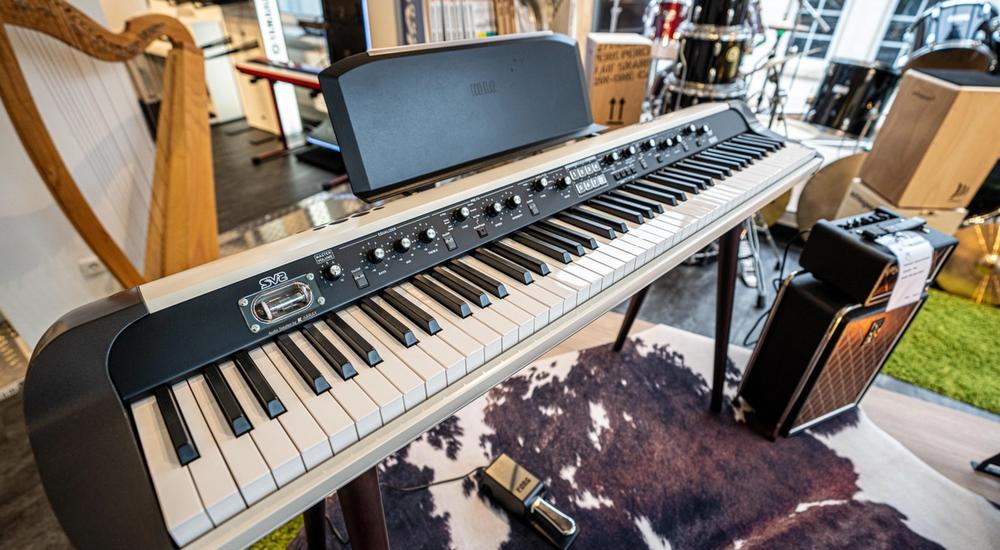
It's important to separate a cheap, unweighted "toy" keyboard from a genuine MIDI controller or synth-action keyboard used in modern production. These aren't the same category of instrument, and conflating them is where a lot of buying advice goes wrong.
The advantages:
- Silent practice. Headphones mean scales at 5 a.m. don't wake the house.
- Studio integration. Higher-end keyboards route into digital audio workstations and can trigger premium sampled instruments — genuinely useful for students interested in production or songwriting.
- Portability. Lightweight and easy to move — a real advantage for gigging musicians or students who relocate often.
The trade-offs:
- Reduced key count. Standard pianos have 88 keys. Many electronic keyboards ship with 49, 61, or 76. A 61-key board handles basic chords and pop production fine, but it will eventually box out classical repertoire that uses the extreme high and low registers.
- Key action. This is the big one. Most electronic keyboards use semi-weighted or fully unweighted "synth action" keys, optimized for fast, light playing rather than piano technique. They don't build the same finger mechanics or replicate the tactile pushback of a real hammer mechanism.
The Middle Ground: Why Many Students Land on a Digital Piano
For most of the students I advise today, the best answer isn't "acoustic vs. keyboard" — it's a third category: the digital piano, purpose-built to replicate the acoustic experience while keeping the conveniences of modern tech.
What makes digital pianos different:
- Graded hammer action. Manufacturers each have their own name for it — Yamaha calls it Graded Hammer Action, Roland calls it Progressive Hammer Action, Kawai and Casio have their own variants — but the principle is the same: a weighted-key mechanism where the bass keys require more force to press than the treble keys, mirroring how an acoustic piano's larger bass hammers and longer strings naturally create more resistance in the lower register. It's this graded weighting, not just "weighted keys" as a generic label, that actually builds finger technique transferable to a real piano.
- Full 88-key range, matching acoustic pianos and standard classical repertoire.
- Zero tuning maintenance, which — over the ownership life of the instrument — saves real money compared to biannual acoustic tuning.
- Silent practice and studio routing, the same headphone and DAW-integration benefits keyboards offer.
The trade-off: even a good graded-hammer action is a simulation, not a reproduction. It won't feel 100% identical to an acoustic grand's escapement, and the hybrid models that get closest come at a meaningfully higher price point.
So, Which Should You Buy?
There's no single right answer, but here's a rough idea:
If you're on a very tight budget and mainly want to play casual or pop music, an entry-level keyboard with at least 61 keys is the most practical choice. If your goal is to develop proper classical piano technique and you have enough space and don't mind the volume, an acoustic piano offers the most authentic playing experience. For those who want to build acoustic-style technique while enjoying modern features such as headphone support, built-in sounds, and portability, an 88-key digital piano with graded hammer action is the ideal option. On the other hand, if your primary focus is music production, songwriting, or creating music on a computer, a MIDI controller or synth-action keyboard provides the flexibility and portability needed for composing and recording.
If you're shopping and want model-specific recommendations across budgets, we've put together a detailed buyer's guide: Best Keyboard for Beginners in 2026.
Whatever you choose, the instrument matters less than consistent practice and good instruction in the first year — an unweighted keyboard with a committed student will outperform a grand piano gathering dust in the corner.
How ChordsCraft Helps You Learn on Whichever Instrument You Choose
Wherever you land on the acoustic-vs-keyboard-vs-digital-piano spectrum, the instrument is only half the equation — structured teaching is what actually turns practice time into progress. At ChordsCraft Institute of Music, we offer dedicated 1-on-1 courses for both instrument paths covered in this guide:
- Piano Course — for students learning on an acoustic piano or a full 88-key digital piano with graded hammer-action keys, covering foundational technique, sight-reading, and repertoire from beginner through advanced levels.
- Electronic Keyboard Course — tailored for students learning on a 49/61/76-key keyboard or entry-level digital piano, with lessons adapted to semi-weighted and synth-action instruments.
Both courses are taught 1-on-1 and available through our remote, high-fidelity teaching setup mentioned earlier in this guide, so you can learn on whichever instrument you already own. Not sure which one fits your setup? Book a free trial class and we'll help you match your instrument, goals, and schedule to the right course.
Ready to get started?
Related Music Courses
Classical & Modern Piano
Learn piano with graded ABRSM/Trinity curriculums from certified instructors.

I’m Vishesh Sharma, Executive Director at ChordsCraft Institute of Music. My goal is simple: to strip away the overwhelming jargon of traditional music education and give you clear, structured, and enjoyable pathways to mastering the piano.
Frequently Asked Questions
Start Your Musical Journey Today
Experience 1-on-1 personalized lessons with certified music and dance instructors. Pick your instrument, choose your schedule, and get structured guidance.
Recommended Reading
 🎹Piano
Best Online Piano Lessons: How to Choose the Right Course
Looking for the best online piano lessons? Learn how to choose the right piano course based on live 1-to-1 instruction, teacher expertise, lesson structure, practice support, flexibility and trial classes—so you can learn piano confidently from home.

 🎹Piano
ABRSM or Trinity? What We Tell Parents After Preparing 250+ Students for Both
ABRSM or Trinity? Real advice from teachers who've prepared 250+ students for both exam boards. Find the right fit for your child's strengths.
 🎹Piano
Best Keyboard for Beginners in 2026: The Complete Buyer's Guide to Choosing the Right Keyboard
Looking for the best keyboard for beginners in 2026? Compare top models, features, prices, and expert buying advice from ChordsCraft Institute of Music.